
Painting and Touch-Ups
Painting and Touch-Ups Services for Westchester County Homes
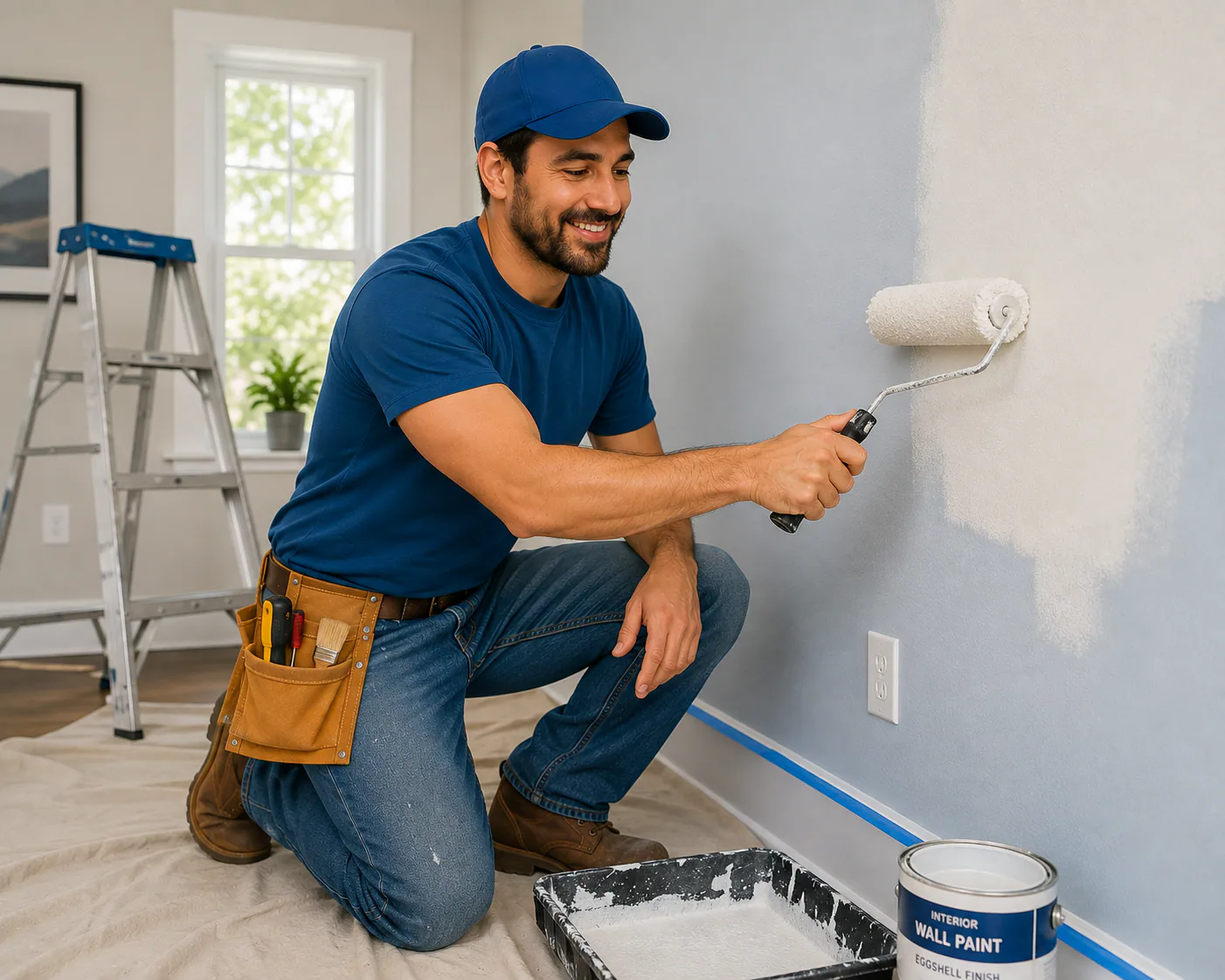
Painting and touch-up service includes inspecting painted surfaces, identifying the reason for damage or coating failure, preparing the substrate, making minor repairs, applying primer where needed, matching the existing color and sheen, and applying a compatible finish coat. Contact 914 Handy for clear next steps and a project-specific estimate.
Locally trusted · serving Westchester County
Owner-Operated
Insured & Trusted
Free Estimates
Years of Experience
Highly Rated
On This Page
Service Overview
Painting and touch-up service includes inspecting painted surfaces, identifying the reason for damage or coating failure, preparing the substrate, making minor repairs, applying primer where needed, matching the existing color and sheen, and applying a compatible finish coat.
What It Is
Professional painting and touch-ups focused on the confirmed condition, careful preparation, compatible materials, dependable workmanship, testing, and a tidy work area.
What It Isn’t
The approved scope does not automatically include a full remodel, structural alteration, hazardous-material service, or regulated trade work. We identify those needs separately.
Problems It Solves
- Normal contact and abrasion
- Impacts and removed fasteners
- Moisture intrusion
- Interior humidity and condensation
Ideal For
- Homeowners who need dependable painting and touch-ups
- Occupied homes requiring careful, tidy work
- Localized repairs and planned improvements
- Projects that benefit from clear scope and communication
Common Causes
Understanding the cause helps us recommend a painting and touch-ups solution that addresses more than the visible symptom.
Normal contact and abrasion
Usually minor
Normal contact and abrasion can affect performance, appearance, or service life. We evaluate the surrounding condition before selecting the repair method.
Impacts and removed fasteners
Can worsen
Impacts and removed fasteners can affect performance, appearance, or service life. We evaluate the surrounding condition before selecting the repair method.
Moisture intrusion
Can worsen
Moisture intrusion can affect performance, appearance, or service life. We evaluate the surrounding condition before selecting the repair method.
Interior humidity and condensation
Often serious
Interior humidity and condensation can affect performance, appearance, or service life. We evaluate the surrounding condition before selecting the repair method.
Signs You Need This Service
These common signs can help homeowners decide when to schedule painting and touch-ups.
Early Signs
- Common symptoms
- Early warning signs
- Problems requiring immediate attention before painting
Moderate
- Scuffs that will not clean off.
- Nail holes and anchor holes.
- Small dents and chipped corners.
Urgent
- Visible drywall or plaster patches.
- Uneven color or sheen.
- Peeling or flaking paint.
Professional Methods
The appropriate painting and touch-ups method depends on the confirmed condition, existing materials, manufacturer guidance, and the result you want.
Method 01
Inspect and diagnose the existing condition
Best for
Projects where inspect and diagnose the existing condition addresses the confirmed condition.
Advantages
A focused approach that restores function while limiting unnecessary disruption.
Limitations
The result depends on access, existing damage, material compatibility, and the approved scope.
Method 02
Repair or replace the affected components
Best for
Projects where repair or replace the affected components addresses the confirmed condition.
Advantages
A focused approach that restores function while limiting unnecessary disruption.
Limitations
The result depends on access, existing damage, material compatibility, and the approved scope.
Method 03
Test, finish, and review the completed work
Best for
Projects where test, finish, and review the completed work addresses the confirmed condition.
Advantages
A focused approach that restores function while limiting unnecessary disruption.
Limitations
The result depends on access, existing damage, material compatibility, and the approved scope.
Materials & Tools We Use
Materials and tools are selected for the existing surface, intended use, manufacturer requirements, and approved painting and touch-ups scope.
Materials
Fasteners
Sealants
Professional Tools
What Affects the Cost
Your painting and touch-ups estimate reflects the actual scope. These are the main variables we review before confirming pricing.
Primary cost variables
This factor can change the preparation, labor, or materials required for painting and touch-ups.
Number and distribution of repair locations
Access conditions can affect setup, protection, equipment, and working time.
Preparation level
Complex details or multiple affected areas may require additional labor and coordination.
Substrate type
Product quality, compatibility, finish, and availability can change material cost.
Severity of failure
Hidden or surrounding damage may need to be addressed before the planned work can be completed.
Lead-safe requirements
Permits, disposal, occupied-home conditions, and licensed-trade coordination can affect the final scope.
Preventative Maintenance
Routine care and early attention can help protect completed painting and touch-ups work and reduce avoidable damage.
Use components only as intended
Use the completed work as intended and follow the product or material care instructions.
Inspect the completed work seasonally
Review visible joints, fasteners, seals, and finishes during normal seasonal home maintenance.
Address recurring symptoms early
Schedule an evaluation when movement, moisture, noise, damage, or recurring symptoms appear.
Safety Considerations
Work that affects structure, concealed utilities, regulated electrical or plumbing systems, hazardous materials, or permit-controlled assemblies may require a licensed trade or local approval.
DIY-Friendly
- Visual checks from a safe position
- Clearing and preparing the work area
- Following routine manufacturer maintenance
Call a Professional
- The condition is unstable, concealed, or recurring.
- The work affects utilities, structure, or code-controlled systems.
- Special access, tools, or protective procedures are required.
Code & permits: Requirements vary by scope and municipality. We identify work that needs local approval or a properly licensed trade before it begins.
Common Misconceptions
These practical distinctions help homeowners make informed decisions about painting and touch-ups.
× Myth
Any visible symptom can be fixed without checking the cause.
✓ Fact
A lasting painting and touch-ups result starts with identifying why the condition developed.
× Myth
The same material or fastener works in every home.
✓ Fact
The correct method depends on the existing surface, assembly, load, exposure, and manufacturer instructions.
× Myth
A cosmetic cover-up is the same as a complete repair.
✓ Fact
Damaged or unstable underlying materials must be addressed before the finish is restored.
× Myth
Every project is automatically suitable for DIY work.
✓ Fact
Access, hidden utilities, safety, code, and specialized trade requirements can make professional service the safer choice.
× Myth
The lowest-cost method always provides the best value.
✓ Fact
A compatible, properly prepared repair usually performs better and helps avoid repeated work.
Expert Tips
Simple preparation and maintenance can improve the painting and touch-ups result and help the completed work last.
1
Use components only as intended
2
Inspect the completed work seasonally
3
Address recurring symptoms early
4
Photograph the existing condition before the appointment
5
Keep product model numbers and instructions available
6
Do not cover up an active leak or recurring movement
7
Choose compatible materials instead of relying on a universal fix
8
Confirm the work area is clear and accessible
Customer Reviews
What Local Homeowners Say

Albert S.
A truly exceptional experience. Everything went as scheduled. The finishing touches were immaculate. Thank you Manny—highly recommended, hands down.
ServicesGeneral construction, flooring installation, tile work and replacement, remodeling, drywall installation, plumbing fixture installation, interior painting, electrical work, flooring repair, and drywall repair.
“I've been looking for a handy person to do some jobs around my home and 914 Handy was great! They installed my in window AC unit and under sink water filter. José was very helpful. I would definitely reach out to them again for any future projects.”

“From the moment I made the call, I knew I was in good hands. He showed up to my home within an hour and a half, took the time to really look at what needed to be done, and had the job fully completed by the very next morning—no delays, no excuses, just solid, dependable work. His pricing was more than fair, especially for the level of care and effort he put in. There was absolutely no overcharging, and when extra supplies were needed, he didn’t hesitate to go to Home Depot himself to make sure everything was done right instead of cutting corners. That alone spoke volumes about his integrity and work ethic…”
“We wanted to add some bracing behind the drywall where we planned to hang a (heavy!) shelf. Manny reviewed what we were looking to do, gave us some suggestions for how we might want to tackle it, and then knocked it out in a day. His work was clean and professional. I look forward to working with him again for our next project!”
Good to Know
Painting and Touch-Ups Frequently Asked Questions
Can a touch-up be completely invisible?
Not always. The best results occur when the original product, color, sheen, applicator, texture, and film thickness can be duplicated on a relatively recent and clean finish. Older, faded, glossy, burnished, or strongly side-lit walls often reveal the repair.
Is the original paint can necessary?
No, but it is extremely helpful. The label may identify the manufacturer, product line, color, sheen, and formula. Stored paint must still be inspected and mixed before use.
Will computer color matching guarantee an exact match?
No. It can create a close color formulation, but sheen, texture, fading, dirt, lighting, porosity, and film thickness also affect the final appearance.
Why does a repaired patch look duller or shinier?
This is commonly called flashing. It may be caused by:
Does every repair need primer?
No, but bare, porous, patched, stained, glossy, chalky, or difficult surfaces often do. Drywall compound and exposed drywall paper absorb finish paint differently than the existing wall.
Can paint be applied over peeling paint?
A durable repair should not be applied over loose paint. Failed material must be removed and the cause of failure corrected first.
Can mold be covered with paint?
No. EPA guidance says not to paint or caulk over moldy surfaces. The moisture source must be corrected, the mold cleaned or affected material removed, and the substrate dried before painting.
Is one coat always enough?
No. Coverage depends on the product, color change, substrate, primer, application rate, and existing condition. Multiple thin coats may perform better than one heavy coat.
What is included with painting and touch-ups?
We confirm the scope after reviewing the existing condition, access, materials, and the result you want. Your written estimate identifies the work included and any items that require a separate trade or approval.
How do I know whether repair or replacement is better?
The decision depends on the condition of the existing material, the cause of the problem, parts availability, safety, and the expected life of the repair. We explain the practical options before work begins.
Ready to Get Started with Painting and Touch-Ups?
Tell us what you need and we’ll help you understand the next step for your Westchester County home.