
Furniture Assembly
Furniture Assembly Services for Westchester County Homes
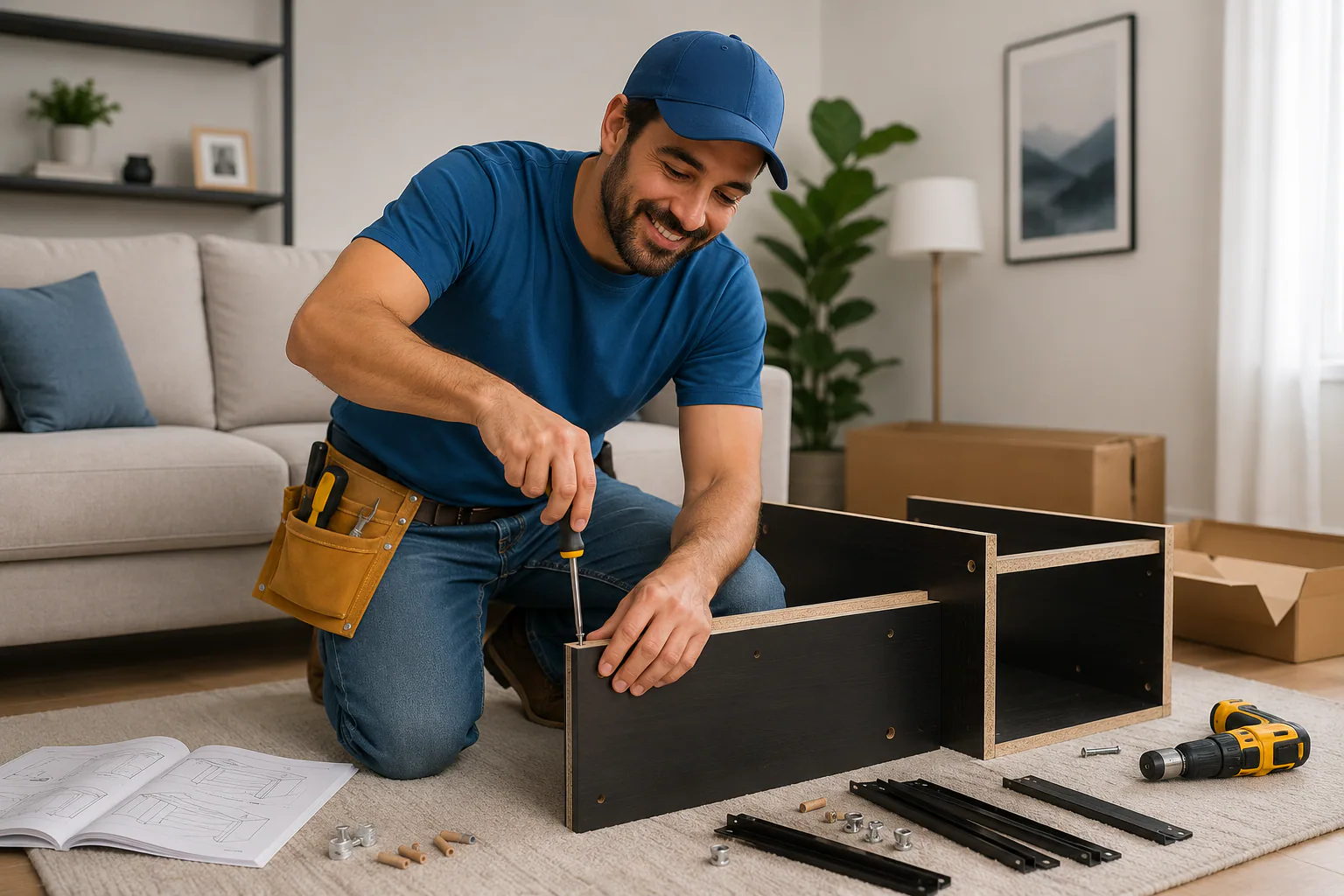
Furniture assembly is the process of identifying, fitting, fastening, aligning, adjusting, positioning, and testing furniture supplied as separate components. Contact 914 Handy for clear next steps and a project-specific estimate.
Locally trusted · serving Westchester County
Owner-Operated
Insured & Trusted
Free Estimates
Years of Experience
Highly Rated
On This Page
Service Overview
Furniture assembly is the process of identifying, fitting, fastening, aligning, adjusting, positioning, and testing furniture supplied as separate components.
What It Is
Professional furniture assembly focused on the confirmed condition, careful preparation, compatible materials, dependable workmanship, testing, and a tidy work area.
What It Isn’t
The approved scope does not automatically include a full remodel, structural alteration, hazardous-material service, or regulated trade work. We identify those needs separately.
Problems It Solves
- New Ready-to-Assemble Furniture
- High Part Counts and Complexity
- Missing Instructions or Hardware
- DIY Sequencing Mistakes
Ideal For
- Homeowners who need dependable furniture assembly
- Occupied homes requiring careful, tidy work
- Localized repairs and planned improvements
- Projects that benefit from clear scope and communication
Common Causes
Understanding the cause helps us recommend a furniture assembly solution that addresses more than the visible symptom.
New Ready-to-Assemble Furniture
Usually minor
New Ready-to-Assemble Furniture can affect performance, appearance, or service life. We evaluate the surrounding condition before selecting the repair method.
High Part Counts and Complexity
Can worsen
High Part Counts and Complexity can affect performance, appearance, or service life. We evaluate the surrounding condition before selecting the repair method.
Missing Instructions or Hardware
Can worsen
Missing Instructions or Hardware can affect performance, appearance, or service life. We evaluate the surrounding condition before selecting the repair method.
DIY Sequencing Mistakes
Often serious
DIY Sequencing Mistakes can affect performance, appearance, or service life. We evaluate the surrounding condition before selecting the repair method.
Signs You Need This Service
These common signs can help homeowners decide when to schedule furniture assembly.
Early Signs
- Early Warning Signs
- Clear Signs of Incorrect Assembly
- Problems Requiring Prompt Attention
Moderate
- Stop-Use Conditions
- Small but recurring joint movement
- Cam locks that rotate without tightening
Urgent
- Screws that no longer seat
- Uneven door gaps
- Drawers rubbing or sticking
Professional Methods
The appropriate furniture assembly method depends on the confirmed condition, existing materials, manufacturer guidance, and the result you want.
Method 01
Pre-Assembly Verification
Best for
Projects where pre-assembly verification addresses the confirmed condition.
Advantages
A focused approach that restores function while limiting unnecessary disruption.
Limitations
The result depends on access, existing damage, material compatibility, and the approved scope.
Method 02
Parts Staging and Work-Area Preparation
Best for
Projects where parts staging and work-area preparation addresses the confirmed condition.
Advantages
A focused approach that restores function while limiting unnecessary disruption.
Limitations
The result depends on access, existing damage, material compatibility, and the approved scope.
Method 03
Correct Fastening and Assembly Sequence
Best for
Projects where correct fastening and assembly sequence addresses the confirmed condition.
Advantages
A focused approach that restores function while limiting unnecessary disruption.
Limitations
The result depends on access, existing damage, material compatibility, and the approved scope.
Materials & Tools We Use
Materials and tools are selected for the existing surface, intended use, manufacturer requirements, and approved furniture assembly scope.
Materials
Fasteners
Sealants
Professional Tools
What Affects the Cost
Your furniture assembly estimate reflects the actual scope. These are the main variables we review before confirming pricing.
Number and Type of Items
This factor can change the preparation, labor, or materials required for furniture assembly.
Complexity and Part Count
Access conditions can affect setup, protection, equipment, and working time.
Size and Handling Requirements
Complex details or multiple affected areas may require additional labor and coordination.
Condition at the Start
Product quality, compatibility, finish, and availability can change material cost.
Missing or Defective Parts
Hidden or surrounding damage may need to be addressed before the planned work can be completed.
Wall Anchoring
Permits, disposal, occupied-home conditions, and licensed-trade coordination can affect the final scope.
Preventative Maintenance
Routine care and early attention can help protect completed furniture assembly work and reduce avoidable damage.
Use components only as intended
Use the completed work as intended and follow the product or material care instructions.
Inspect the completed work seasonally
Review visible joints, fasteners, seals, and finishes during normal seasonal home maintenance.
Address recurring symptoms early
Schedule an evaluation when movement, moisture, noise, damage, or recurring symptoms appear.
Safety Considerations
Work that affects structure, concealed utilities, regulated electrical or plumbing systems, hazardous materials, or permit-controlled assemblies may require a licensed trade or local approval.
DIY-Friendly
- Visual checks from a safe position
- Clearing and preparing the work area
- Following routine manufacturer maintenance
Call a Professional
- The condition is unstable, concealed, or recurring.
- The work affects utilities, structure, or code-controlled systems.
- Special access, tools, or protective procedures are required.
Code & permits: Requirements vary by scope and municipality. We identify work that needs local approval or a properly licensed trade before it begins.
Common Misconceptions
These practical distinctions help homeowners make informed decisions about furniture assembly.
× Myth
Any visible symptom can be fixed without checking the cause.
✓ Fact
A lasting furniture assembly result starts with identifying why the condition developed.
× Myth
The same material or fastener works in every home.
✓ Fact
The correct method depends on the existing surface, assembly, load, exposure, and manufacturer instructions.
× Myth
A cosmetic cover-up is the same as a complete repair.
✓ Fact
Damaged or unstable underlying materials must be addressed before the finish is restored.
× Myth
Every project is automatically suitable for DIY work.
✓ Fact
Access, hidden utilities, safety, code, and specialized trade requirements can make professional service the safer choice.
× Myth
The lowest-cost method always provides the best value.
✓ Fact
A compatible, properly prepared repair usually performs better and helps avoid repeated work.
Expert Tips
Simple preparation and maintenance can improve the furniture assembly result and help the completed work last.
1
Use components only as intended
2
Inspect the completed work seasonally
3
Address recurring symptoms early
4
Photograph the existing condition before the appointment
5
Keep product model numbers and instructions available
6
Do not cover up an active leak or recurring movement
7
Choose compatible materials instead of relying on a universal fix
8
Confirm the work area is clear and accessible
Customer Reviews
What Local Homeowners Say

Albert S.
A truly exceptional experience. Everything went as scheduled. The finishing touches were immaculate. Thank you Manny—highly recommended, hands down.
ServicesGeneral construction, flooring installation, tile work and replacement, remodeling, drywall installation, plumbing fixture installation, interior painting, electrical work, flooring repair, and drywall repair.
“I've been looking for a handy person to do some jobs around my home and 914 Handy was great! They installed my in window AC unit and under sink water filter. José was very helpful. I would definitely reach out to them again for any future projects.”

“From the moment I made the call, I knew I was in good hands. He showed up to my home within an hour and a half, took the time to really look at what needed to be done, and had the job fully completed by the very next morning—no delays, no excuses, just solid, dependable work. His pricing was more than fair, especially for the level of care and effort he put in. There was absolutely no overcharging, and when extra supplies were needed, he didn’t hesitate to go to Home Depot himself to make sure everything was done right instead of cutting corners. That alone spoke volumes about his integrity and work ethic…”
“We wanted to add some bracing behind the drywall where we planned to hang a (heavy!) shelf. Manny reviewed what we were looking to do, gave us some suggestions for how we might want to tackle it, and then knocked it out in a day. His work was clean and professional. I look forward to working with him again for our next project!”
Good to Know
Furniture Assembly Frequently Asked Questions
What kinds of furniture can a handyman assemble?
Common items include beds, desks, tables, chairs, dressers, bookcases, wardrobes, cabinets, shelving, entertainment units, patio sets, and office furniture. Built-ins, kitchen cabinetry, wall-mounted systems, and custom carpentry should be scoped separately.
Does the assembler need the original instructions?
The original or current digital manual is strongly preferred because it identifies the correct hardware, assembly sequence, required tools, anchoring instructions, adjustments, and warnings.
What if the instructions are missing?
Many manufacturers publish assembly instructions online. The product name, model number, article number, or SKU is usually needed to locate the correct version.
Should I keep the packaging?
Yes, at least until assembly and inspection are complete. The packaging may contain the model number, carton count, small parts, return labels, and information needed for replacement parts.
Are all necessary tools included?
Not always. Some furniture includes a basic hex key or small wrench, but drills, hammers, screwdrivers, levels, stud finders, and wall fasteners may still be required.
Is wall anchoring included?
It depends on the written scope. Customers should confirm whether the quote includes wall assessment, fasteners, drilling, anchoring, and testing.
Is anchoring necessary if the furniture feels heavy?
Yes, when required by the manufacturer or when tip-over risk exists. A heavy dresser can still tip when drawers are opened, a child climbs, or weight is placed high on the unit.
Can furniture be anchored to plaster, drywall, brick, or concrete?
Usually, but each wall type requires a suitable method. Fasteners are not interchangeable, and unknown or deteriorated walls may require additional evaluation.
What is included with furniture assembly?
We confirm the scope after reviewing the existing condition, access, materials, and the result you want. Your written estimate identifies the work included and any items that require a separate trade or approval.
How do I know whether repair or replacement is better?
The decision depends on the condition of the existing material, the cause of the problem, parts availability, safety, and the expected life of the repair. We explain the practical options before work begins.
Ready to Get Started with Furniture Assembly?
Tell us what you need and we’ll help you understand the next step for your Westchester County home.